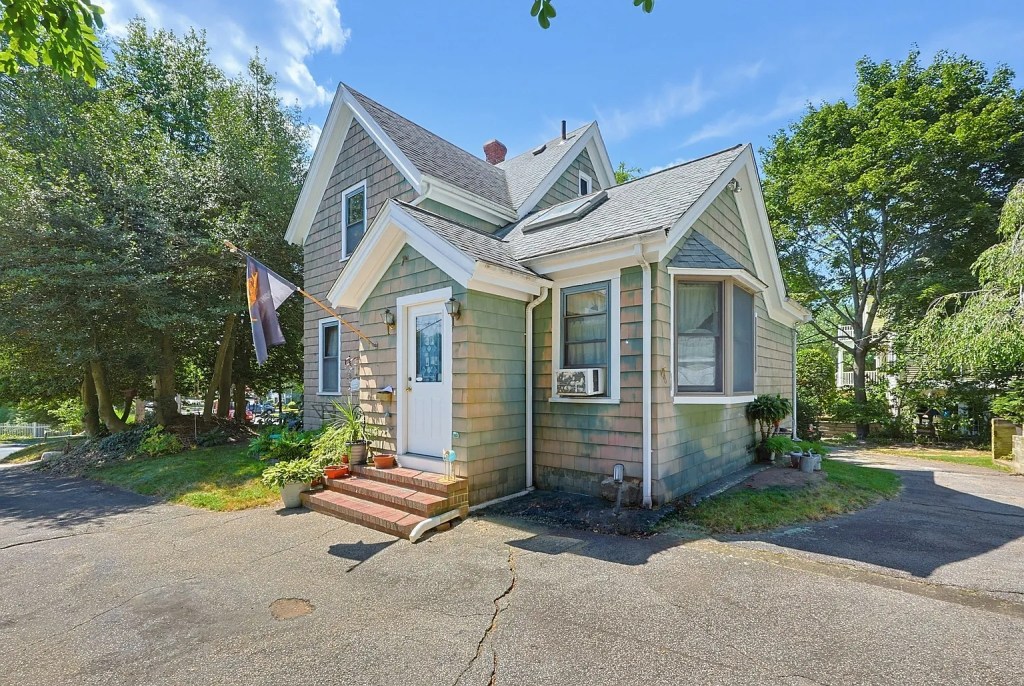
Some houses have dozens of owners over their lifetime. 35 Wilson Street is a little different.
In 1891, John and Helmina Eppich purchased a lot on Wilson Street from Henry B. Baker. More than 130 years later, the house that stands there is still connected to the Eppich family.
The Eppich family has already been well documented by the Norwood Historical Society, including John Eppich’s immigration to the United States, the family’s life in Norwood, and even the flower shop that their son Fred later operated from the property.
But I wanted to look at the house itself.
What exactly did John and Helmina purchase in 1891? Was there already a house standing on the property, or did they build 35 Wilson Street themselves? And how did one piece of land remain part of the same family’s story for more than a century?
As usual, I started with the deeds.
35 Wilson Street
Norfolk Registry of Deeds: Book 652, Pages 408–409
Consideration: $1
Norfolk Registry of Deeds: Book 658, Page 387
Norfolk Registry of Deeds: Book 1954, Page 499
Consideration: $1
Norfolk Registry of Deeds: Book 16688, Page 476
Deed research based on records of the Norfolk County Registry of Deeds.
Before There Was a 35 Wilson Street
Before 35 Wilson Street existed as an individual property, the land was part of a larger tract owned by Isaac and Abbie M. Ellis.
On March 30, 1891, surveyor Nathaniel Smith prepared a plan dividing the Ellis property into three long lots along Wilson Street. At the center was Lot 2, the future site of 35 Wilson Street.
The plan is one of my favorite finds from this research because it captures the property right at the beginning of its story as an individual lot. What we now know as 35 Wilson Street was still simply a set of boundary lines and measurements on a surveyor’s page.
There is no house shown on Lot 2. That does not necessarily mean the land was vacant, since the purpose of the plan was to establish property boundaries rather than document buildings. Still, what happened over the next several months makes 1891 especially important.
From Lot 2 to the Eppich Family
Only a few weeks after the survey was completed, the property changed hands.
On April 17, 1891, Isaac and Abbie Ellis conveyed Lot 2 to John Eppich. The deed refers directly to the newly surveyed Ellis plan, tying the property described in the document to the lot shown on the map.
Another deed followed that summer.
On July 29, 1891, Henry B. Baker executed a quitclaim deed to John Eppich for one dollar. At first, the $1 transaction caught my attention. But Baker was not selling John the property for a dollar. Instead, the deed released whatever legal interest Baker held in land that had already been conveyed to Eppich by Isaac Ellis.
Together, these records show Lot 2 firmly entering John Eppich’s ownership during the spring and summer of 1891.
And that date is important for another reason.
The house at 35 Wilson Street is also traditionally dated to 1891.
I have not found a building permit or another record that gives an exact construction date, so I cannot say with certainty that John and Helmina Eppich built the house that year. But the surviving evidence fits together remarkably well. The land was surveyed in March, John acquired Lot 2 in April, Baker released his interest in July, and the house itself is dated to the same year.
At the very least, we can place the beginning of the Eppich family’s connection to 35 Wilson Street firmly in 1891.
John and Helmina Eppich
The history of the property quickly becomes the history of the family who called it home.
According to research by the Norwood Historical Society, John Eppich was born in Tiefenthal in the Gottschee region in 1857 and immigrated to the United States in 1884. By 1890, he was living in Norwood and appearing in the local business directory. That same year, he married Helmina Voderer Sern.
One year later came Lot 2 on Wilson Street.
John and Helmina had five children: John, Elizabeth, Minnie, Carl, and Frederick. What could have been just another late nineteenth-century property purchase instead became the beginning of a family connection that would last for generations.
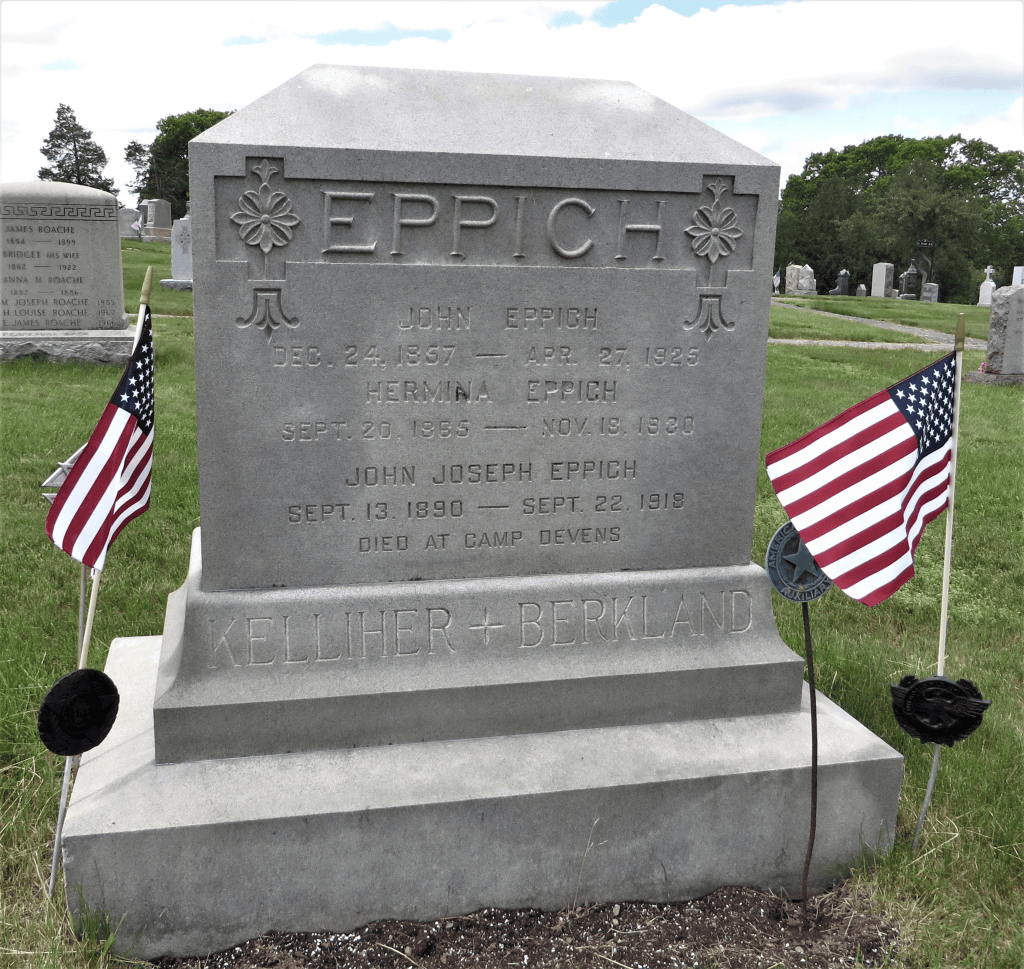
One of the family’s most difficult chapters came in 1918.
Their son John was stationed at Camp Devens when he died during the influenza pandemic. According to the Norwood Historical Society, the family faced difficulty bringing his body home to Norwood because of fears surrounding the disease.
It is one of those details that makes house research about much more than buildings. Behind the names recorded in deeds and census records were real families experiencing the same major events that shaped the rest of the country.
And at the center of this family’s story was their home on Wilson Street.
The Next Generation
After John and Helmina died, the property remained within the Eppich family.
Their children Elizabeth, Minnie, and Carl eventually transferred their interests in the family home to their brother Frederick, or Fred, Eppich.
Fred then gave 35 Wilson Street another chapter.
Through the 1940s-1960s, he operated a flower shop and nursery from the property. The Norwood Historical Society notes that longtime residents remembered visiting the Eppich property to buy flowers and plants.
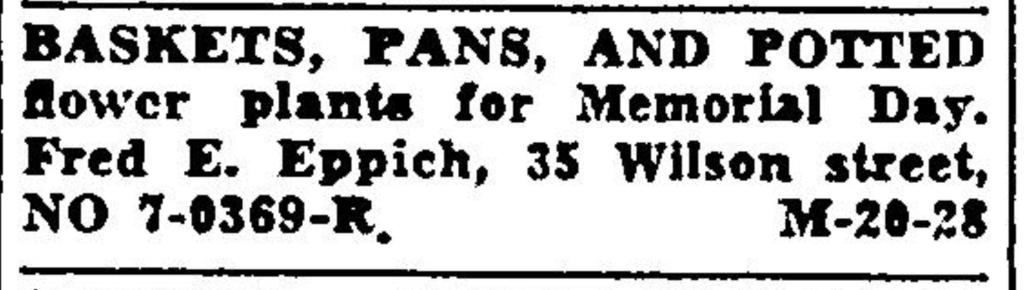
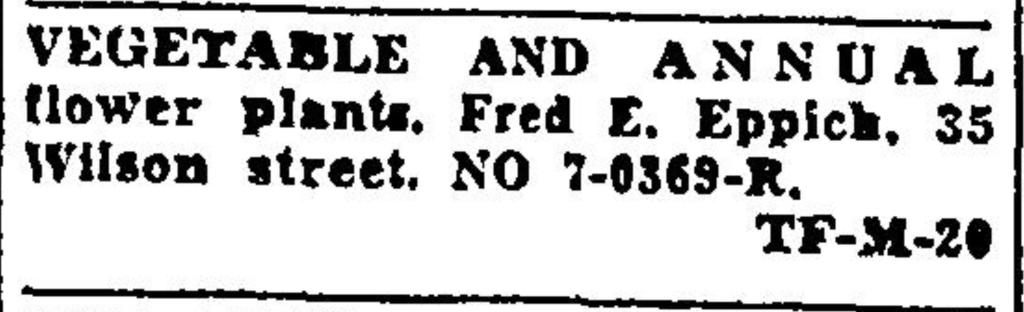
A property that began as a newly surveyed lot in 1891 had become not only a family home, but also a familiar place within the neighborhood. Generations of Eppichs knew the property as home, while other Norwood residents came to know it as the place where they bought their flowers and plants.
Fred later transferred the property to his daughter, continuing the family’s connection to 35 Wilson Street into yet another generation.
The Eppich family was part of a much larger story of German immigrant families who made Wilson Street home, something I explored more closely in my history of 108 Wilson Street. But at 35 Wilson, what stands out most is just how long one family’s connection to a single property endured.
More Than Lot 2
When Nathaniel Smith surveyed the Ellis property on March 30, 1891, Lot 2 was just lines on a page.
Within weeks, it belonged to John Eppich.
Soon, it became the Eppich family home. Children grew up there. The property passed from one generation to another. Decades later, neighbors remembered stopping by to buy flowers from Fred Eppich. And more than a century after John first acquired the land, the Eppich name remained connected to 35 Wilson Street.
That is probably my favorite part of researching individual houses.
A deed can tell us who owned a piece of land. A survey can show us its boundaries. Census records can tell us who lived there.
But put those records together, and that little rectangle labeled “Lot 2” becomes something much more.
It becomes a home.
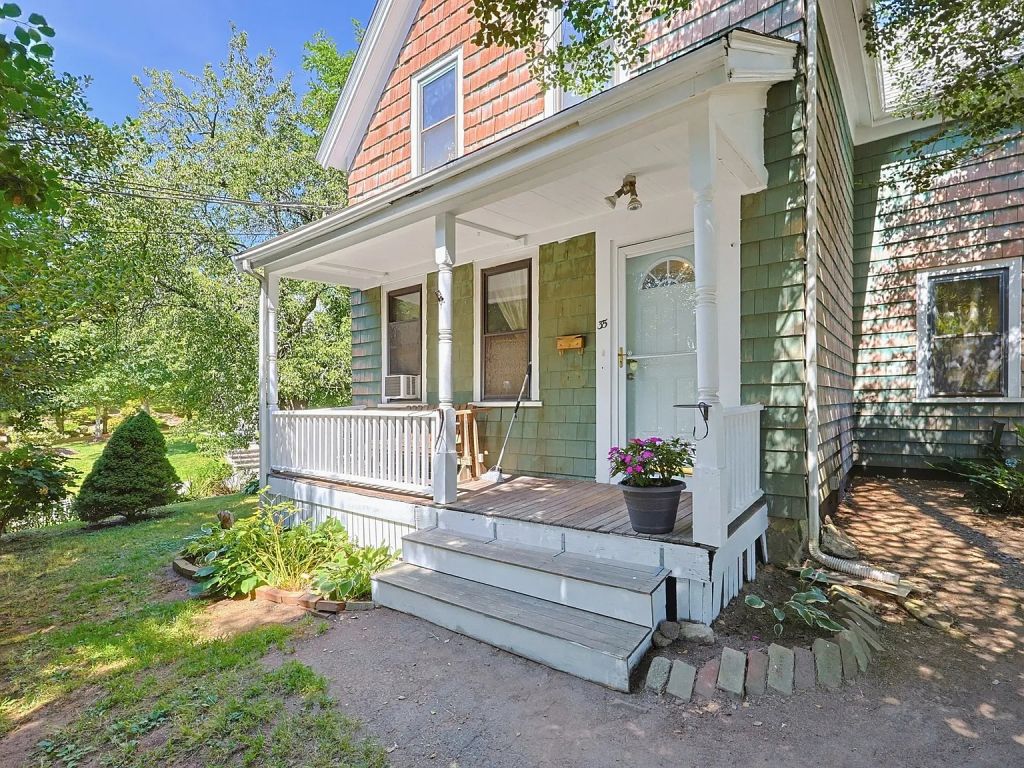
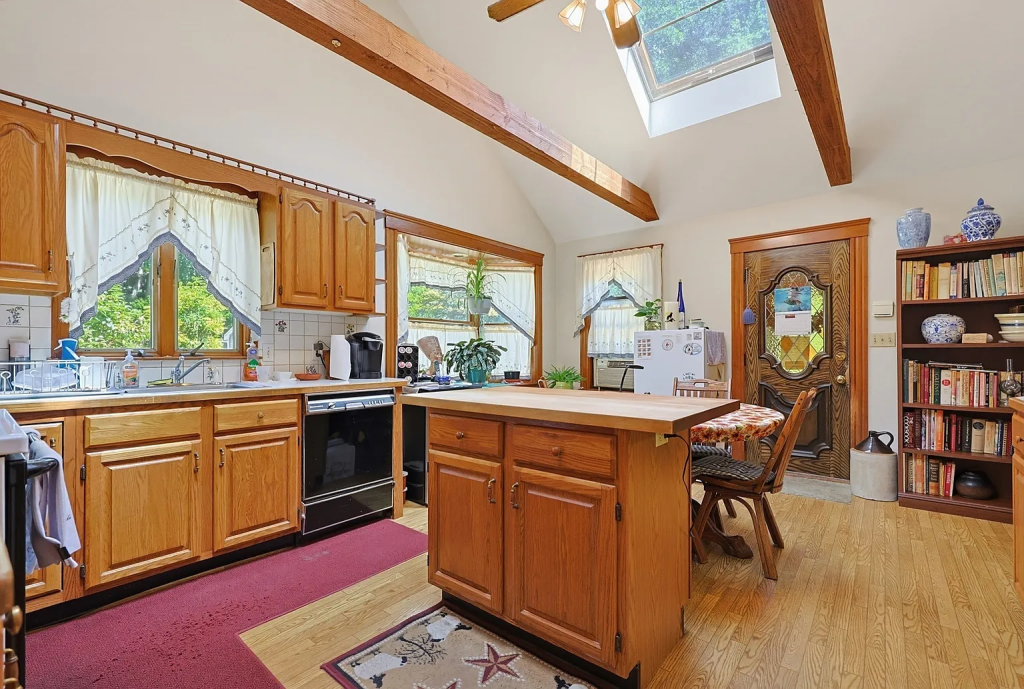
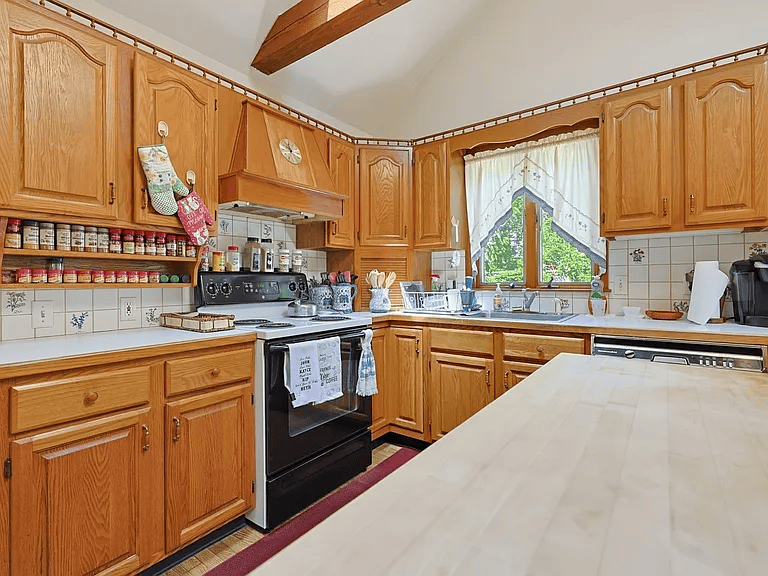
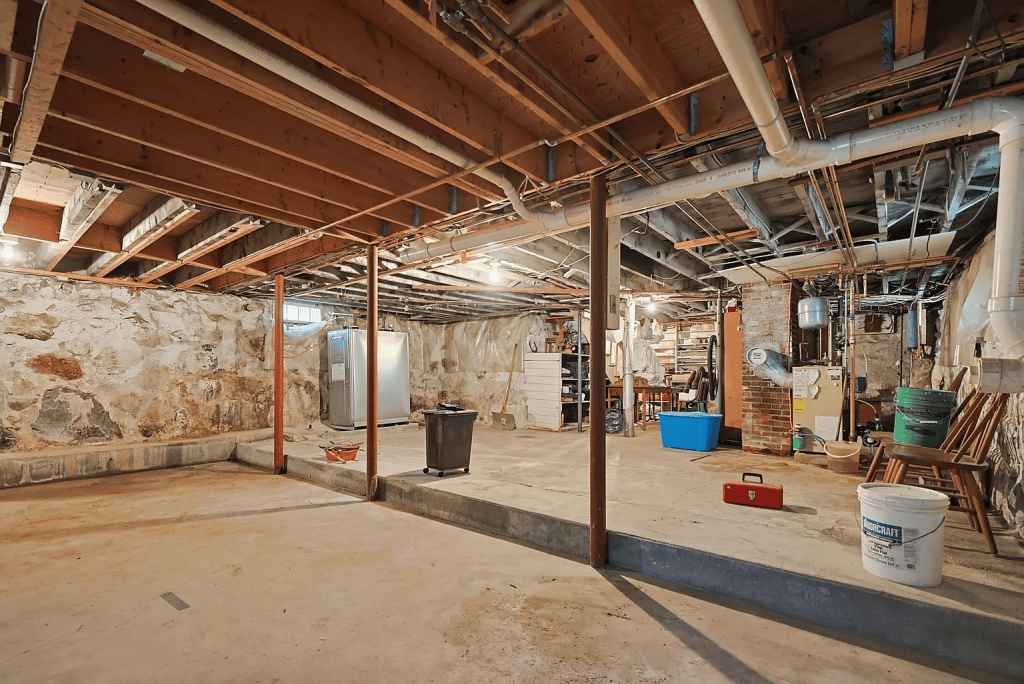
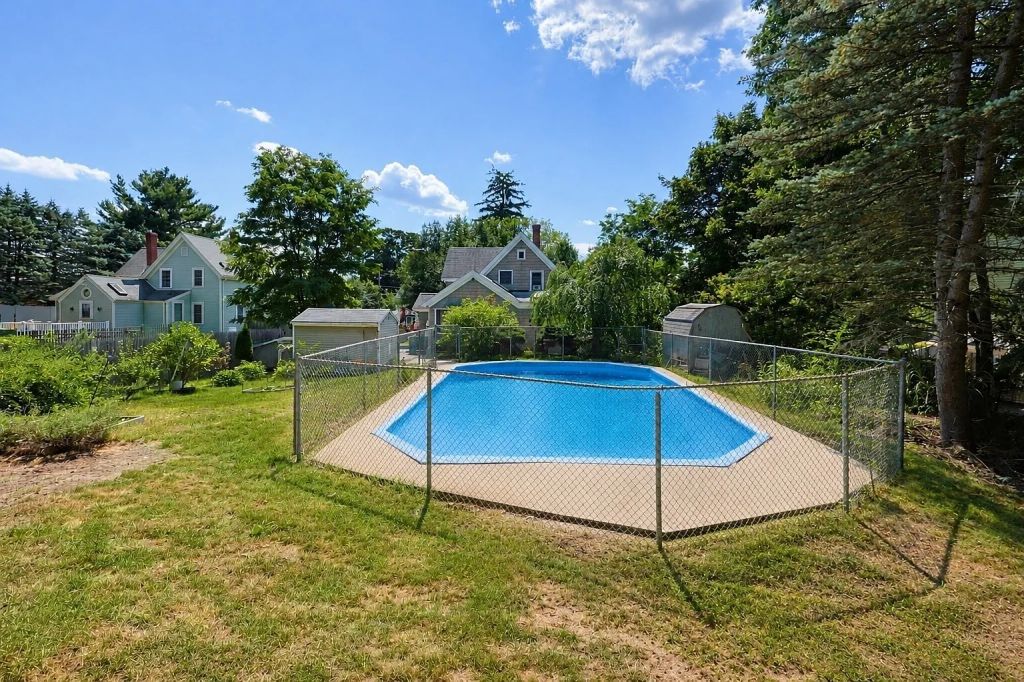
This home is currently for sale to the public for the first time ever! If you are looking to purchase a historic home in a suburban neighborhood of Norwood, Massachusetts; Look no further. Below are additional images, courtesy of Zillow.
Thank you for reading, please share and subscribe!
Sources
- Norfolk County Registry of Deeds. Deed and land records pertaining to 35 Wilson Street and associated parcels, Norwood, Massachusetts.
- Norfolk County Registry of Deeds. Book 652, pp. 408–409.
- Norfolk County Registry of Deeds. Book 658, p. 387.
- Norfolk County Registry of Deeds. Book 1954, p. 499.
- Norfolk County Registry of Deeds. Book 16688, p. 476.
- Town of Norwood. Annual Reports and property assessment records, various years.
- Town of Norwood. Building Department records and property records.
- Town of Norwood. Assessor and parcel records.
- Norwood town and business directories, various years.
- United States Census Bureau. Federal Census records, various years.
- Massachusetts birth, marriage, and death records.
- Norwood Record. Historic newspaper records and notices.
- Morrill Memorial Library. Norwood local history and newspaper collections.
- Norwood Historical Society. Local history collections and materials relating to Norwood and the development of the surrounding neighborhood.
- Massachusetts Historical Commission. Massachusetts Cultural Resource Information System (MACRIS).
- Historic newspapers and obituaries consulted for information concerning former property owners and residents.
- Genealogical and vital records consulted through FamilySearch and other historical record databases.


Leave a comment